
Why Won't My Reptile Eat? Bearded Dragons, Leopard Geckos and Ball Pythons
Reptiles7 min read
By the Happy Paws & Claws team
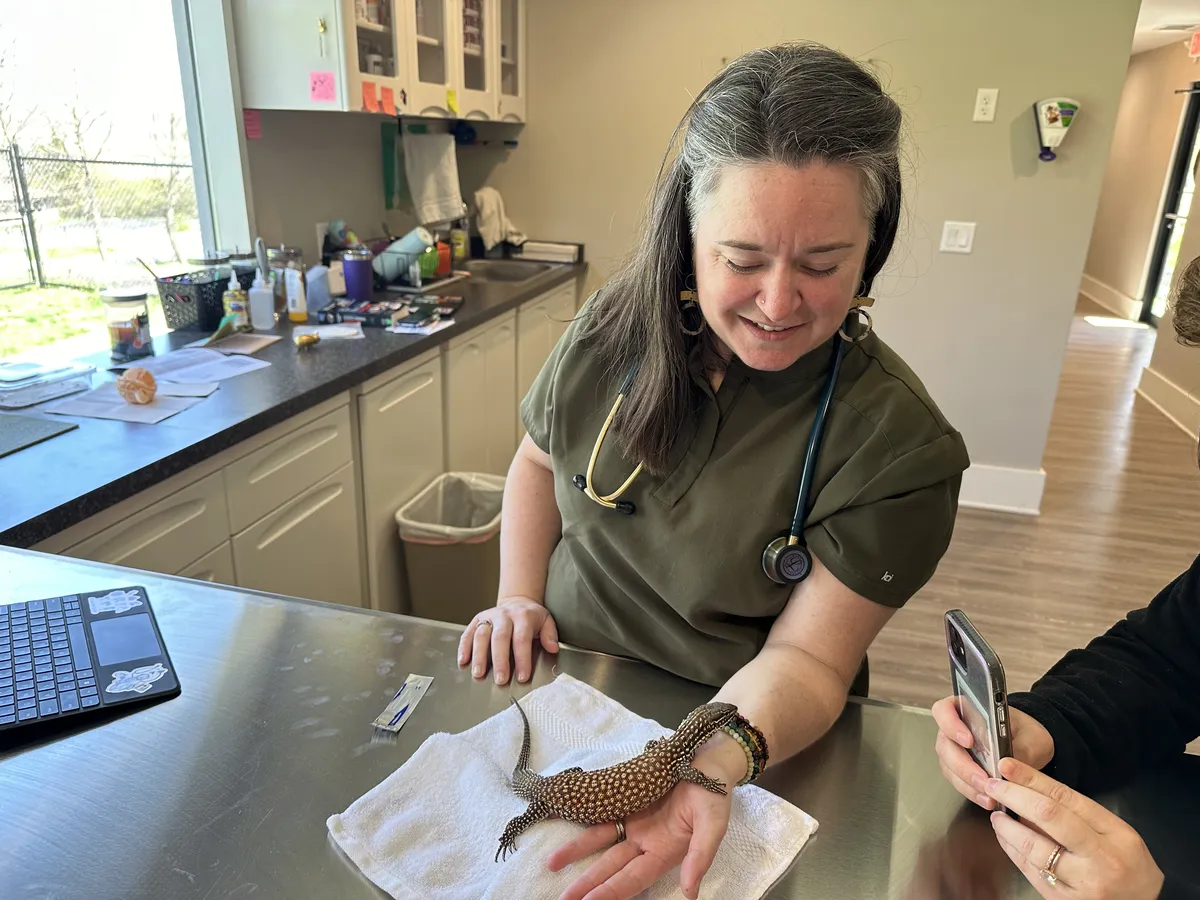
Few things worry a reptile owner more than a pet who refuses food. Sometimes it is completely normal. Other times, it is one of the first signs that something is wrong. Because reptiles are very good at hiding illness, a change in appetite is worth paying attention to.
This guide covers three of the most popular pet reptiles we see at Happy Paws & Claws in Englewood: bearded dragons, leopard geckos and ball pythons. Our owner, Dr. Angela Melton, keeps leopard geckos and a bearded dragon herself and trained at the Fort Worth Zoo and the Australia Reptile Park.
First, Check the Enclosure
Most reptile appetite problems start with the habitat. Reptiles rely on outside heat to digest food, so when the enclosure is off, appetite is often the first thing to go. Before anything else, check:
- Temperatures. Use a thermometer on both the warm side and the cool side. A heat source that has failed or a cold room can quickly affect appetite.
- Lighting. Make sure lights are working and on a regular day and night schedule. For bearded dragons, check that the UVB bulb is not past the maker's replacement date.
- Humidity. Levels that are too high or too low can cause shedding and breathing problems.
- Stress. A new enclosure, a recent move, handling too often, other pets nearby or a lack of hiding spots can all cause a reptile to stop eating for a while.
Bearded Dragons
Common reasons a bearded dragon may eat less include:
- Shedding. Many dragons eat less right before and during a shed.
- Brumation. Adult dragons may slow down, sleep more and eat very little for a period, often in the cooler months. This can be normal, but sickness can look similar, so a vet check before or early in brumation is a good idea.
- Enclosure problems, such as low basking temperatures or an old UVB bulb.
- Health problems, including metabolic bone disease, parasites, mouth infections, impaction and, in females, egg-laying problems.
Young, growing dragons should not go long without eating. A juvenile who stops eating needs a vet visit sooner. Read our guide to metabolic bone disease in bearded dragons for more on one common cause.
Leopard Geckos
Leopard geckos store fat in their tails, so a healthy adult can sometimes skip a few meals without harm. Common reasons for a drop in appetite include:
- Shedding, or a stuck shed on the toes, tail or eyes
- Cooler seasonal changes or breeding season
- A warm-side temperature that is too low or a missing heat source under a hide
- Stress from a new home or changes in the enclosure
- Health problems such as parasites, impaction or, in females, egg-related problems
Watch the tail. A tail that is getting thinner is a sign your gecko is using up its reserves and should see a vet.
Ball Pythons
Ball pythons are famous for refusing food. Many go long stretches without eating, especially during cooler months or breeding season, and healthy adults can handle this better than many other reptiles. Other common reasons include:
- Being in shed (look for cloudy or blue-tinted eyes)
- A recent move, a new enclosure or too much handling
- Not enough secure hides, or temperatures that are off
- A change in the type or size of prey
- Health problems, such as respiratory infections, mouth infections or parasites
The key with ball pythons is weight. A snake who is skipping meals but holding steady weight is less worrying than one who is losing weight.
When to Call a Vet
Some appetite changes can wait and be watched. Others cannot. Call a reptile vet if your pet is not eating and you also notice:
- Weight loss, a thinning tail, or sunken eyes
- Wheezing, open-mouth breathing, or bubbles or mucus around the nose or mouth
- Swelling of the mouth, jaw or limbs
- Weakness, trembling, or trouble moving
- No droppings for an unusual length of time, or a swollen belly
- A young or growing reptile that stops eating
- Appetite loss that lasts longer than is normal for your species
Track Weight at Home
A small kitchen scale that measures in grams is one of the most useful tools a reptile owner can have. Weighing your pet regularly and writing it down makes it much easier to tell a normal fast from a real problem, and it gives your veterinarian valuable information.
What to Expect at the Vet
A reptile visit starts with a full exam and a detailed conversation about the enclosure, temperatures, lighting, diet and feeding history. Bring photos of the setup and any weight records you have. Depending on what we find, the veterinarian may recommend a fecal test, lab work or X-rays.
At Happy Paws & Claws, an exotic pet exam is $72. We only recommend the tests your pet needs, and we go over costs with you before we do anything. CareCredit financing is accepted.
A Reptile Vet near Dayton
We care for bearded dragons, leopard geckos, crested geckos, ball pythons, turtles and other reptiles at 55 Hillside Ct., Englewood, OH 45322. Learn more about our reptile vet care, call 937-595-0660 or request an appointment.
This article is general information and is not a substitute for an exam. If you are worried about your reptile, please see a veterinarian.
Frequently asked questions
Related services
Have a question about your pet? Call 937-595-0660 or request an appointment