Senior Pet Care in Englewood, OH
Helping Your Older Pet Feel Their Best
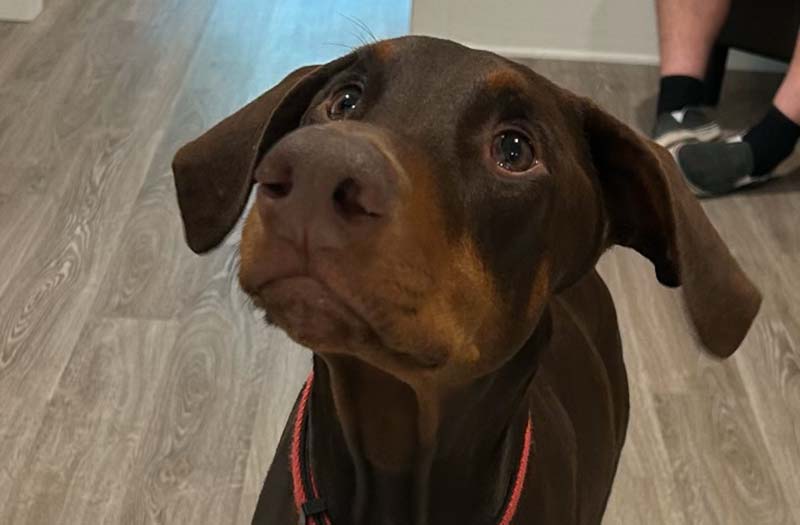
Your pet has given you years of loyalty, love, and companionship. As they grow older, they deserve the same in return — compassionate, expert care that supports their health and comfort through every stage of life.
At Happy Paws & Claws, our senior pet care program is designed to catch problems early, manage age-related conditions, and help your dog or cat enjoy their golden years to the fullest. We serve senior pets and their families in Englewood, Dayton, and the surrounding communities of Montgomery County, Ohio.
When Does a Pet Become a Senior?
Age milestones vary depending on species and size.
- Dogs: Small breeds under 20 pounds are generally considered senior around age 10 to 11. Medium breeds between 20 and 50 pounds reach senior status around age 8 to 9. Large and giant breeds may be considered senior as early as age 6 or 7.
- Cats: Cats are generally considered senior at age 10 to 11, and super senior at age 15 and older.
If your pet is approaching these ages, it is a good time to speak with us about transitioning to a senior care schedule — even if they appear perfectly healthy.
What Changes as Pets Age?
Older pets experience many of the same changes humans do. Their metabolism slows, their immune system weakens, and they become more vulnerable to disease. Common conditions we monitor in senior pets include arthritis and joint pain, kidney and liver disease, heart disease, dental disease, diabetes, thyroid disorders, cancer, cognitive dysfunction, and gradual vision or hearing loss.
Many of these conditions are manageable — or even reversible — when caught early. That is why consistent monitoring is so important for aging pets.
Our Senior Pet Care Program
We recommend twice-yearly wellness exams for senior pets rather than annual visits. A great deal can change in six months for an aging animal. Our senior care visits are designed to give us a full picture of your pet's health at every stage.
Comprehensive Physical Exam
We assess your pet from nose to tail, checking weight, coat condition, eyes, ears, teeth, heart, lungs, abdomen, and joints. We look for subtle changes that may not be visible at home.
Senior Bloodwork Panel
Routine blood work gives us a detailed look at organ function and helps us detect early kidney disease, liver issues, thyroid problems, anemia, and more — often before any symptoms appear.
Urinalysis
A simple urine test can reveal kidney disease, diabetes, urinary tract infections, and other conditions. It is one of the most informative diagnostics we run for senior pets.
Fecal Exam
Intestinal parasites are harder on older pets with weakened immune systems. We test regularly to confirm your pet is clear.
Blood Pressure Monitoring
High blood pressure is common in older cats and dogs and is closely linked to kidney disease, heart disease, and vision loss. We include blood pressure screening as part of our standard senior protocol.
Pain Assessment
Many older pets live with pain and never show it clearly. We evaluate your pet for signs of discomfort and discuss appropriate pain management options, including joint supplements, medications, and lifestyle adjustments.
Nutritional Counseling
Senior pets have different dietary needs than younger animals. We will help you choose the right food, manage your pet's weight, and ensure they are receiving nutrients that support aging joints, organ function, and immune health.
Behavior and Cognitive Check
Changes in behavior such as confusion, night waking, or house accidents can signal cognitive decline. We will help you understand what is a normal part of aging and what warrants further evaluation or treatment.
Signs Your Senior Pet May Need to Be Seen Sooner
Do not wait for the next scheduled visit if you notice increased thirst or urination, unexplained weight loss or gain, loss of appetite, difficulty getting up or walking, new lumps or swelling, coughing or labored breathing, persistent vomiting or diarrhea, changes in sleep patterns, confusion, or bad breath and difficulty eating.
When in doubt, call us. We would always rather reassure you than have something go undetected.
Why Choose Happy Paws & Claws for Senior Pet Care?
Happy Paws & Claws is a small, relationship-focused veterinary clinic in Englewood, Ohio. We are not a high-volume practice where your pet is a number. We take the time to listen, explain, and build a care plan that fits your senior pet's individual needs.
We offer in-house laboratory services so bloodwork results are available the same day rather than days later. We have on-site radiology to assess joints and organs without requiring a specialist referral. We have dedicated pain management expertise and take senior comfort seriously. We communicate in plain language and never rush appointments. We also offer flexible financing through CareCredit so your pet's health care does not have to wait.
Frequently Asked Questions About Senior Pet Care
How often should I bring my senior pet to the vet?
We recommend wellness visits every six months for senior pets. Annual exams are standard for younger animals, but older pets can develop health problems quickly, and twice-yearly visits allow us to catch changes before they become serious.
What age is considered senior for a dog?
It depends on size. Small dogs are generally senior around age 10, medium dogs around age 8 or 9, and large or giant breeds as early as age 6 or 7. If you are unsure whether your dog has entered their senior years, we are happy to discuss it at your next visit.
What age is considered senior for a cat?
Cats are generally considered senior at age 10 to 11. Cats aged 15 and older are sometimes referred to as super seniors and may need even more frequent monitoring.
My senior pet seems healthy. Do they still need extra visits?
Yes. Many serious conditions in older pets — including kidney disease, heart disease, and certain cancers — show no visible symptoms in the early stages. Bloodwork, urinalysis, and a physical exam can reveal problems that are not yet affecting your pet's behavior or appearance. Early detection almost always leads to better outcomes.
What does senior bloodwork check for?
A senior blood panel typically evaluates kidney function, liver function, blood cell counts, blood sugar levels, thyroid hormone levels, and electrolyte balance. Together these values give us a comprehensive picture of your pet's internal health.
My senior dog is slowing down. Is that just aging or something more?
Slowing down is common in older dogs, but it is not something to ignore. It may be a sign of arthritis, pain, heart disease, or cognitive changes — all of which can be managed with appropriate care. We recommend having a senior exam to rule out treatable causes before assuming it is simply old age.
Can you help manage my senior pet's pain?
Yes. Pain management is one of the most important parts of senior care. We offer a range of options depending on the cause and severity of your pet's discomfort, including prescription medications, joint supplements, weight management support, and lifestyle recommendations.
My cat is drinking more water than usual. Should I be concerned?
Increased thirst in older cats is often a sign of kidney disease, hyperthyroidism, or diabetes — all common in senior cats and all treatable when caught early. We recommend bringing your cat in for bloodwork and a urinalysis as soon as possible.
What is cognitive dysfunction in pets?
Cognitive dysfunction syndrome is a condition similar to dementia in humans. It is most common in dogs and cats over age 11. Signs include disorientation, changes in sleep or activity patterns, decreased interaction, house soiling, and changes in appetite. While there is no cure, there are medications and environmental modifications that can significantly improve quality of life.
Schedule Your Senior Pet's Wellness Visit
Proactive care is the single most impactful thing you can do to extend your pet's healthy, comfortable years. If your dog or cat is entering their senior stage — or already there — let's make sure they are on the right schedule and getting the attention they deserve.
Call us at (937) 595-0660 or use the link below to request an appointment. We see patients Monday through Friday from 9am to 5pm at our clinic located at 55 Hillside Ct, Englewood, Ohio 45322.