
Bearded Dragon Brumation: What's Normal and When to Call a Vet
Reptiles7 min read
By the Happy Paws & Claws team
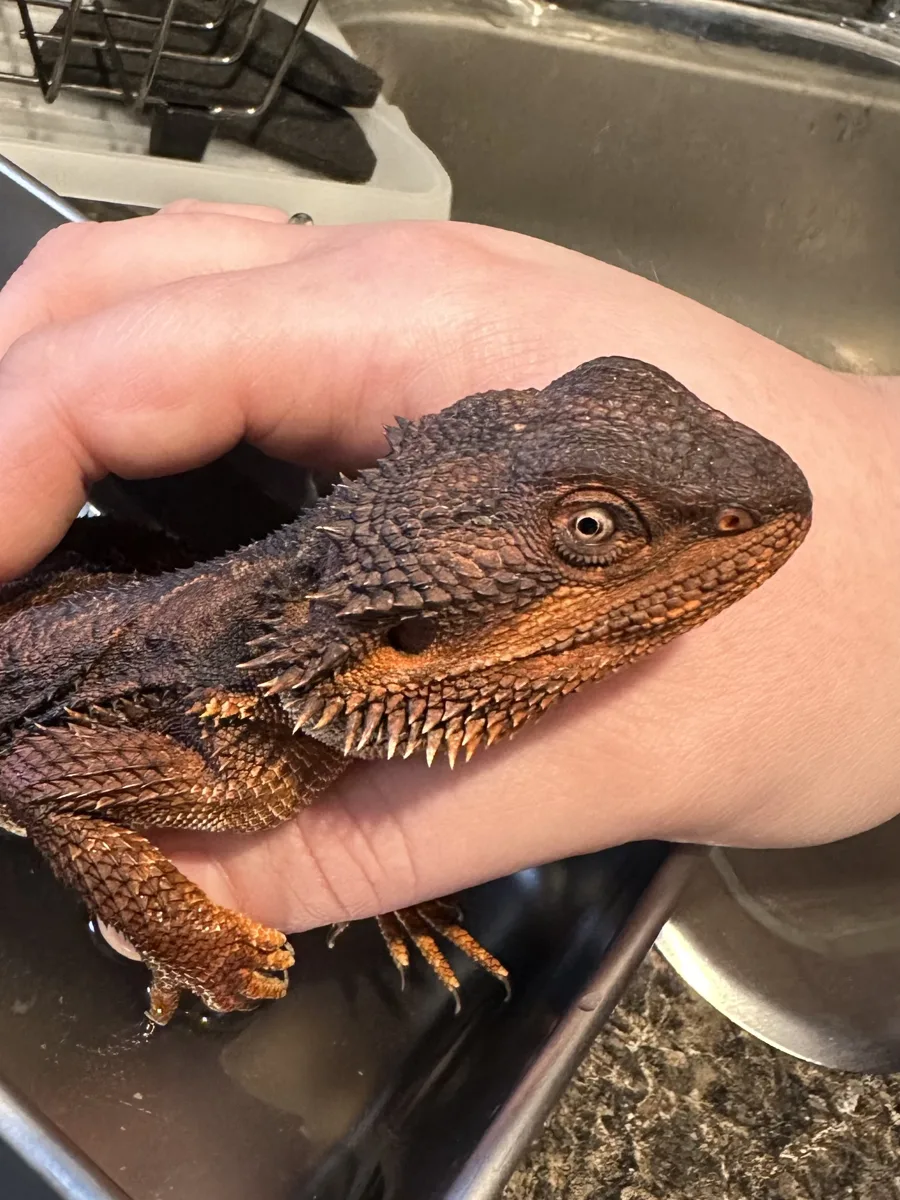
As the days get shorter in the fall, many bearded dragon owners notice a change. Their dragon sleeps more, hides more and barely touches food. Often this is brumation, a natural slow-down that many adult bearded dragons go through. But a sick dragon can look a lot like a brumating one. This guide explains what brumation is, how to tell it apart from illness, and how to help your dragon through it safely.
Our owner, Dr. Angela Melton, keeps a bearded dragon herself and trained at the Fort Worth Zoo and the Australia Reptile Park, so she knows this topic from both sides of the exam table.
Quick answer: Brumation is a seasonal rest period when a bearded dragon becomes less active and eats very little, often in the fall and winter. It can last from a few weeks to a few months. A vet check before brumation is a good idea, because illness and parasites can look just like it.
What Is Brumation?
Brumation is a reptile's version of a winter rest. In the wild in Australia, bearded dragons slow down when the weather turns cooler and food is harder to find. Their metabolism drops, they eat very little and they spend most of their time resting in a sheltered spot.
Pet bearded dragons still respond to seasonal changes, even indoors. Here in the Dayton area, shorter days and cooler homes in the fall and winter are often enough to trigger it. Brumation is different from hibernation in mammals. Dragons may wake up, move around, drink and bask now and then before settling down again.
Do All Bearded Dragons Brumate?
No. Some dragons brumate every year, some only some years, and some never do. All of these can be normal. Brumation is most common in adult dragons. Young, growing dragons under about a year old generally should not be going without food for long periods, so a juvenile who stops eating needs a vet visit, not a wait-and-see approach.
Signs Your Bearded Dragon May Be Going into Brumation
- Eating less, or not at all
- Sleeping more and getting up later in the day
- Spending more time in a hide or on the cool side of the enclosure
- Basking less
- Digging or trying to bury themselves
- Fewer droppings
Brumation or Illness? Why It Matters
This is the big question, and the honest answer is that it can be hard to tell at home. Reptiles are very good at hiding illness, and a sick dragon often eats less and sleeps more, just like a brumating one. Parasites, metabolic bone disease, impaction, infections and, in females, egg-laying problems can all look like brumation at first.
Some signs point toward illness rather than normal brumation:
- Noticeable or steady weight loss
- Sunken eyes or wrinkled, loose skin
- Wheezing, open-mouth breathing, or mucus around the nose or mouth
- Swelling of the jaw, legs or belly
- Trembling, twitching or weakness
- Runny, bloody or very smelly droppings
- A juvenile dragon who stops eating
- Brumation-like behavior in the warm months that does not match the season
If you see any of these, call a reptile vet. Our guide to metabolic bone disease in bearded dragons covers one common cause of weakness and poor appetite.
Why a Vet Check Before Brumation Is Smart
A wellness exam before or early in brumation gives your dragon the best chance of resting safely. At that visit, the veterinarian can:
- Do a hands-on exam and record a starting weight
- Run a fecal test to check for parasites. Parasites are a common concern, and a dragon that rests for weeks while carrying them can lose condition.
- Talk through your lighting, temperatures and diet
- Recommend X-rays or lab work if anything looks off
At Happy Paws & Claws, an exotic pet exam is $72. We only recommend tests your dragon needs, and we go over costs with you first.
How to Care for a Brumating Bearded Dragon
Every dragon and every setup is a little different, so follow your veterinarian's advice. In general:
- Get a vet check first. Make sure your dragon is healthy before you let them settle in.
- Weigh your dragon regularly. A kitchen scale that measures in grams is one of the most helpful tools you can own. A small change can be normal, but steady weight loss is a reason to call.
- Always offer fresh water. Dragons may wake up to drink.
- Offer food when they are awake and active, but do not force-feed.
- Keep the enclosure safe and clean. Make sure heat sources are working and temperatures stay in a safe range. Ask your vet whether to adjust your lighting schedule.
- Let them rest. Avoid handling them a lot or repeatedly waking them up.
- Check on them every day, looking at breathing, eyes, skin and any droppings.
When Brumation Ends
Most dragons come out of brumation on their own as the days get longer. They start basking more, moving around and showing interest in food again. Offer a warm soak or a drink if your dragon seems dry, then start with small meals and build back up over several days.
If your dragon does not seem to be coming back to normal, or is weak or thin when they wake up, schedule an exam.
How Long Does Brumation Last?
It varies a lot. Some dragons brumate for a few weeks, and others rest for two to three months. The length can also change from one year to the next. Keeping a simple log of dates, weights and behavior makes it easier for you and your veterinarian to spot anything unusual.
A Reptile Vet near Dayton
Happy Paws & Claws at 55 Hillside Ct., Englewood, OH 45322 cares for bearded dragons, leopard geckos, ball pythons and other reptiles from across the Dayton area. If your dragon is slowing down this fall, call 937-595-0660 or request an appointment. You can also learn more about our reptile vet care or read why reptiles stop eating.
This article is general information and is not a substitute for an exam. If you are worried about your bearded dragon, please see a veterinarian.
Frequently asked questions
Related services
Have a question about your pet? Call 937-595-0660 or request an appointment
More Reptiles articles

Metabolic Bone Disease in Bearded Dragons: Signs, Causes and Prevention
Metabolic bone disease is one of the most common health problems in pet bearded dragons. Learn the warning signs, the causes and how to help prevent it.
Read article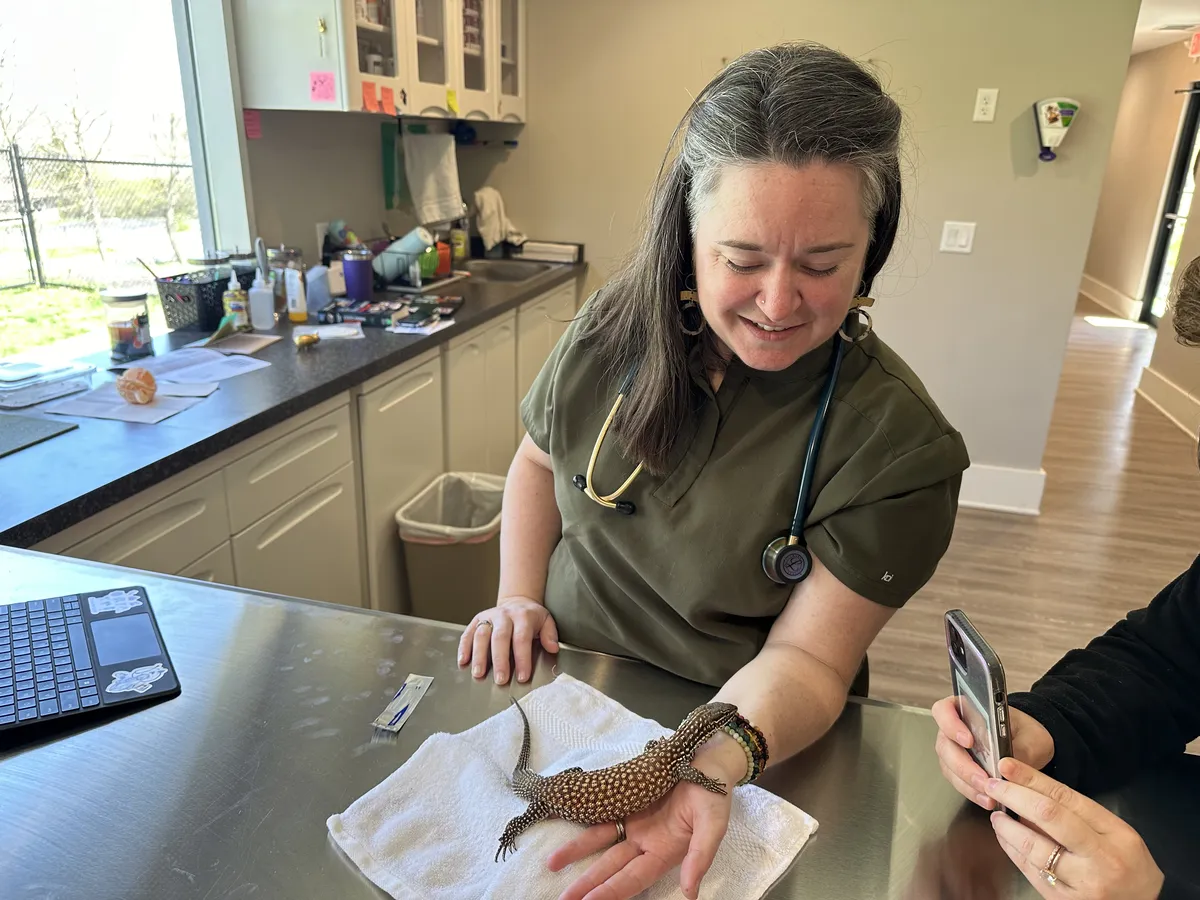
Why Won't My Reptile Eat? Bearded Dragons, Leopard Geckos and Ball Pythons
A reptile that stops eating can be normal or a sign of illness. Learn the common reasons for bearded dragons, leopard geckos and ball pythons, and when to call a vet.
Read article