
How Much Does a Dog or Cat X-Ray Cost?
Costs & Planning7 min read
By the Happy Paws & Claws team
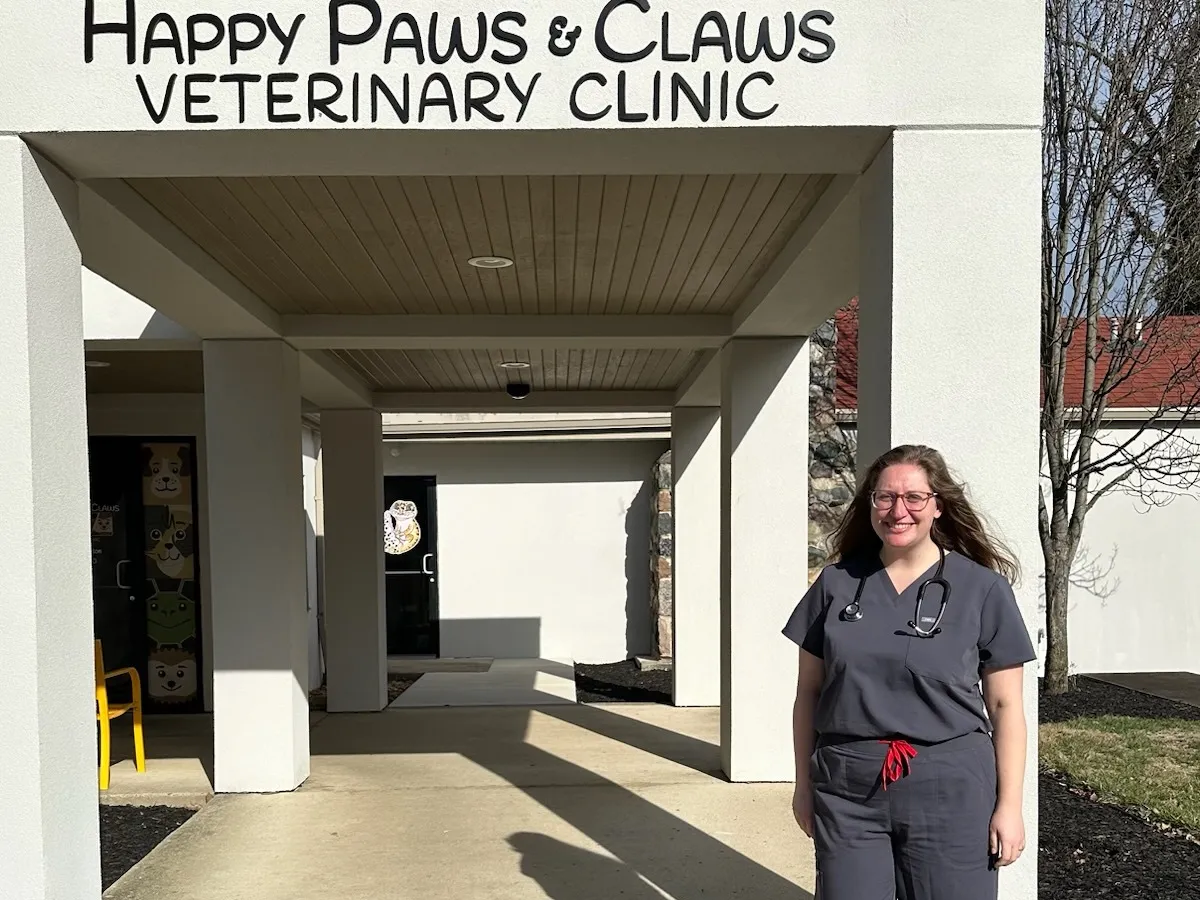
When your dog or cat is limping, coughing, vomiting or just not acting like themselves, an x-ray is often the fastest way to see what is going on inside. It is also natural to wonder what it will cost before you say yes. This guide shares the real x-ray and ultrasound prices at Happy Paws & Claws in Englewood, Ohio, explains what changes the price, and walks you through what happens during the visit.
Quick answer: At our Englewood clinic, an x-ray (radiograph) for a dog or cat costs $194.04 to $302.20, and an ultrasound costs $128.99 to $354.22. The price depends on how many areas need to be imaged, how many views are needed and whether your pet needs sedation to hold still. The exam is a separate charge ($65 for an annual exam or $68 for a sick visit).
Dog and Cat X-Ray Prices at Happy Paws & Claws
- X-ray (radiograph): $194.04 to $302.20
- Ultrasound (one body system up to a comprehensive scan): $128.99 to $354.22
- Sick visit exam: $68
- Exotic pet exam: $72
Before we take any images, our veterinarian examines your pet, explains why imaging would help and gives you an estimate. You decide before anything is done. Current prices are always listed on our pricing page.
What Changes the Cost of an X-Ray?
The price range covers a few common differences between visits:
- How many areas need pictures. One leg is simpler than the chest and belly together.
- How many views. Veterinarians usually take at least two views from different angles, because one flat picture can hide things. Some problems need more.
- Sedation. Many pets lie still with gentle handling. Pets who are in pain, scared or wiggly may need light sedation so the images are clear and the visit is less stressful.
- Your pet's size and species. Large dogs may need more images to cover the same area. Exotic pets are imaged on request.
Why Your Vet Might Recommend an X-Ray
X-rays are best at showing bones and the shape and size of organs. We commonly recommend them for:
- Limping, injuries and possible broken bones
- Arthritis and hip or joint problems, especially in older pets
- Coughing or trouble breathing, to look at the heart and lungs
- Vomiting, when we are worried your pet swallowed something they should not have
- Bladder stones, which can cause straining or blood in the urine
- Checking organ size, such as an enlarged heart, liver or spleen
- Counting puppies or kittens late in pregnancy
Dental x-rays are a separate service and are already included in every dental cleaning at our clinic. Our dental cleaning cost guide explains what is included.
X-Ray or Ultrasound: What Is the Difference?
X-rays take a still picture and are great for bones, the chest and finding many swallowed objects. Ultrasound uses sound waves to show soft tissue in real time. It lets the veterinarian look inside organs like the liver, kidneys, bladder and intestines and see how they are working. Sometimes the two are used together. An x-ray might show that an organ is enlarged, and an ultrasound shows what is happening inside it. Our veterinarian will recommend the test most likely to give you answers, so you are not paying for imaging you do not need.
What Happens During Your Pet's X-Ray
- Exam first. Our veterinarian examines your pet and talks with you about what they are seeing.
- Estimate. We explain which images we recommend and what they will cost.
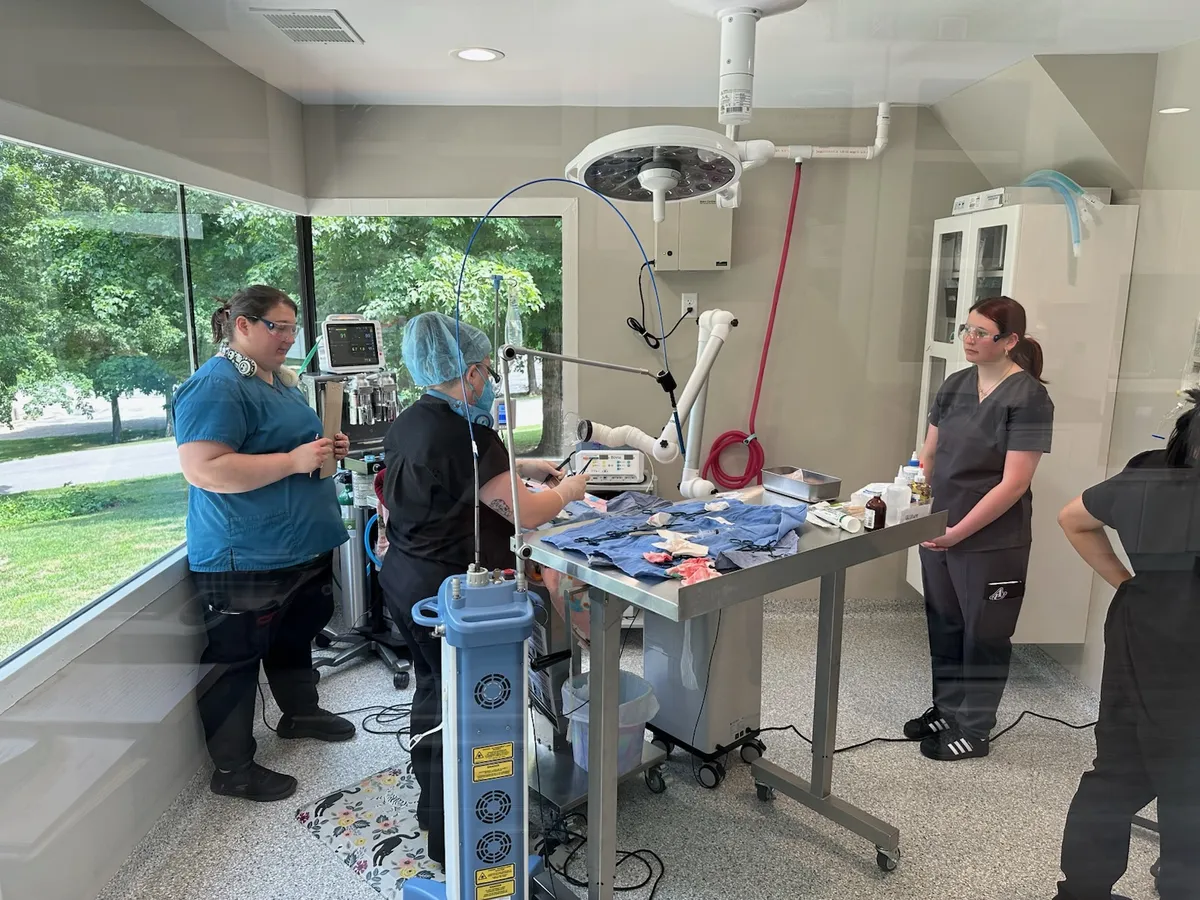
- Positioning. Our nurses gently position your pet on the table. Most x-rays take just a few minutes.
- Sedation if needed. If your pet is in pain or too anxious to stay still, we may recommend light sedation for their comfort and safety.
- Review together. Because our pet radiology is done right here at our clinic, the veterinarian can look at the images during the visit and walk you through them.
X-rays use a very small amount of radiation, and a single set is very safe for pets. Our team wears protective gear because they take x-rays every day.
X-Rays for Reptiles, Rabbits and Other Exotic Pets
Exotic pets often hide illness until they are quite sick, so imaging can be especially helpful for them. In bearded dragons and other lizards, x-rays can show the soft or bent bones of metabolic bone disease, eggs that a female is having trouble passing, or something swallowed with their food. In rabbits and guinea pigs, x-rays help us check the teeth and jaw, the bladder and the gut. Exotic pet imaging is done on request after an exam with our veterinarian, who will explain what we are looking for and what it will cost. Learn more about our exotic pet care.
What Happens After the X-Ray?
Sometimes the images give a clear answer right away, like a broken bone or a bladder stone, and we can talk about treatment the same day. Other times an x-ray rules out the most serious possibilities and points us toward the next step, such as bloodwork, an ultrasound or medication and a recheck. Either way, we will explain what we found in plain language, share your options and costs, and help you choose the plan that makes sense for your pet and your budget.
Do I Need to Do Anything Before My Pet's X-Ray?
For most x-rays, no special prep is needed. If there is a chance your pet will need sedation, we may ask you to hold food the morning of the visit. We will tell you ahead of time if that applies. Bring a list of your pet's medications and a note of when the problem started, since those details help us decide which images to take.
When to Call Right Away
Some problems should be seen the same day. Call us if your pet:
- Will not put any weight on a leg
- Is vomiting repeatedly or trying to vomit with nothing coming up
- Has a swollen, hard belly
- Is breathing fast or struggling to breathe
- Is straining to urinate, especially a male cat
We keep a limited number of same-day appointments for urgent needs during our regular hours. If it is after hours and your pet is in distress, go to the nearest 24-hour emergency animal hospital.
Ways to Plan for the Cost
We believe in showing our prices upfront so you can plan. We accept CareCredit, which can help spread out the cost of unexpected care. Keeping up with yearly wellness exams also helps us catch problems early, when they are often simpler to diagnose and treat.
Schedule an Exam
Happy Paws & Claws is a full-service veterinary clinic in Englewood, Ohio, caring for dogs, cats, reptiles and small mammals from across the Dayton area, including Vandalia, Trotwood, Clayton and Huber Heights. If something does not seem right with your pet, call us at 937-595-0660 or request an appointment online.
Frequently asked questions
Related services
Have a question about your pet? Call 937-595-0660 or request an appointment
More Costs & Planning articles
How Much Does It Cost to Spay or Neuter a Dog?
Real dog spay and neuter prices by weight at our Englewood clinic, what is included, when to schedule surgery, and how to help your dog recover.
Read article
How Much Does It Cost to Spay or Neuter a Cat?
Real prices for spaying or neutering a cat at our Englewood clinic, what is included in the price, the optional add-ons, and how to get your cat ready for surgery.
Read article