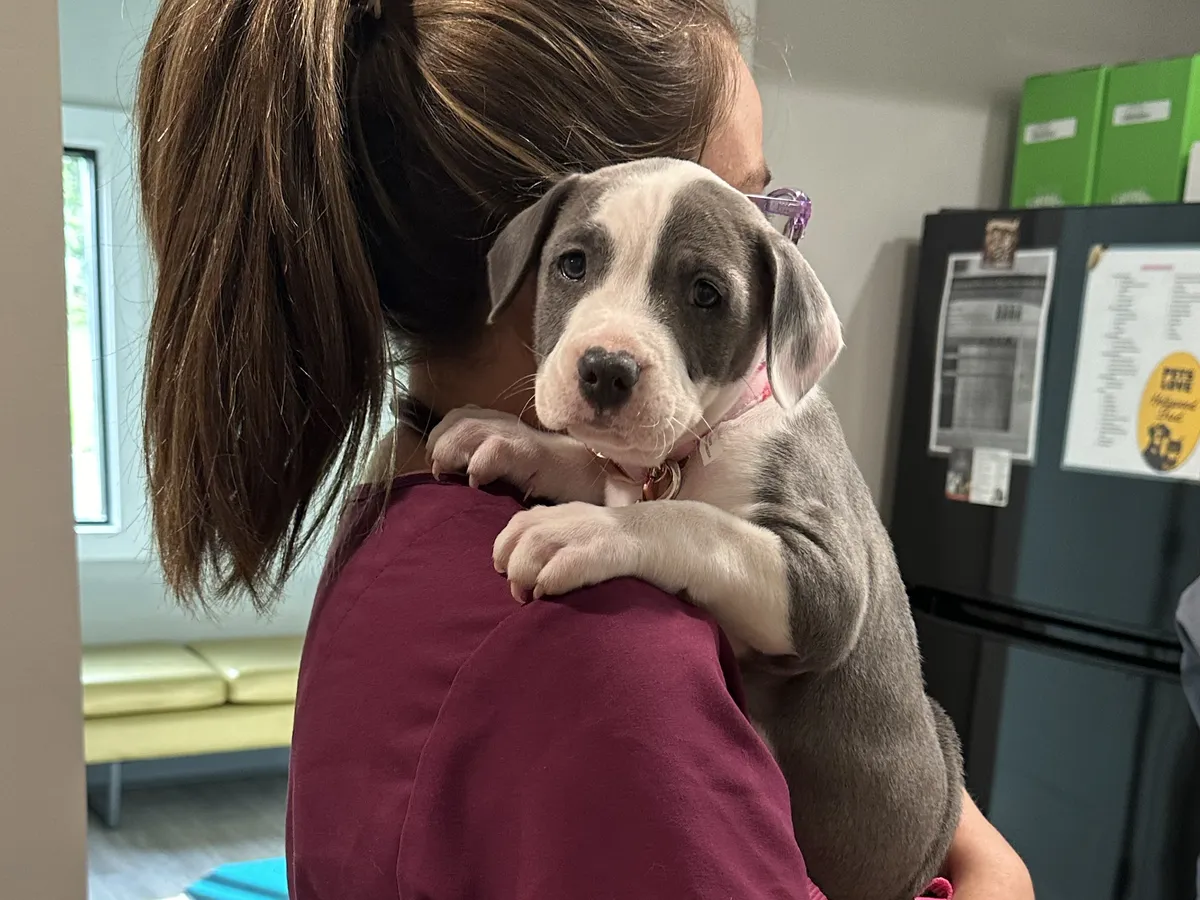
Kitten Vaccine Schedule: Which Shots Your Kitten Needs and What They Cost
Puppies & Kittens7 min read
By the Happy Paws & Claws team
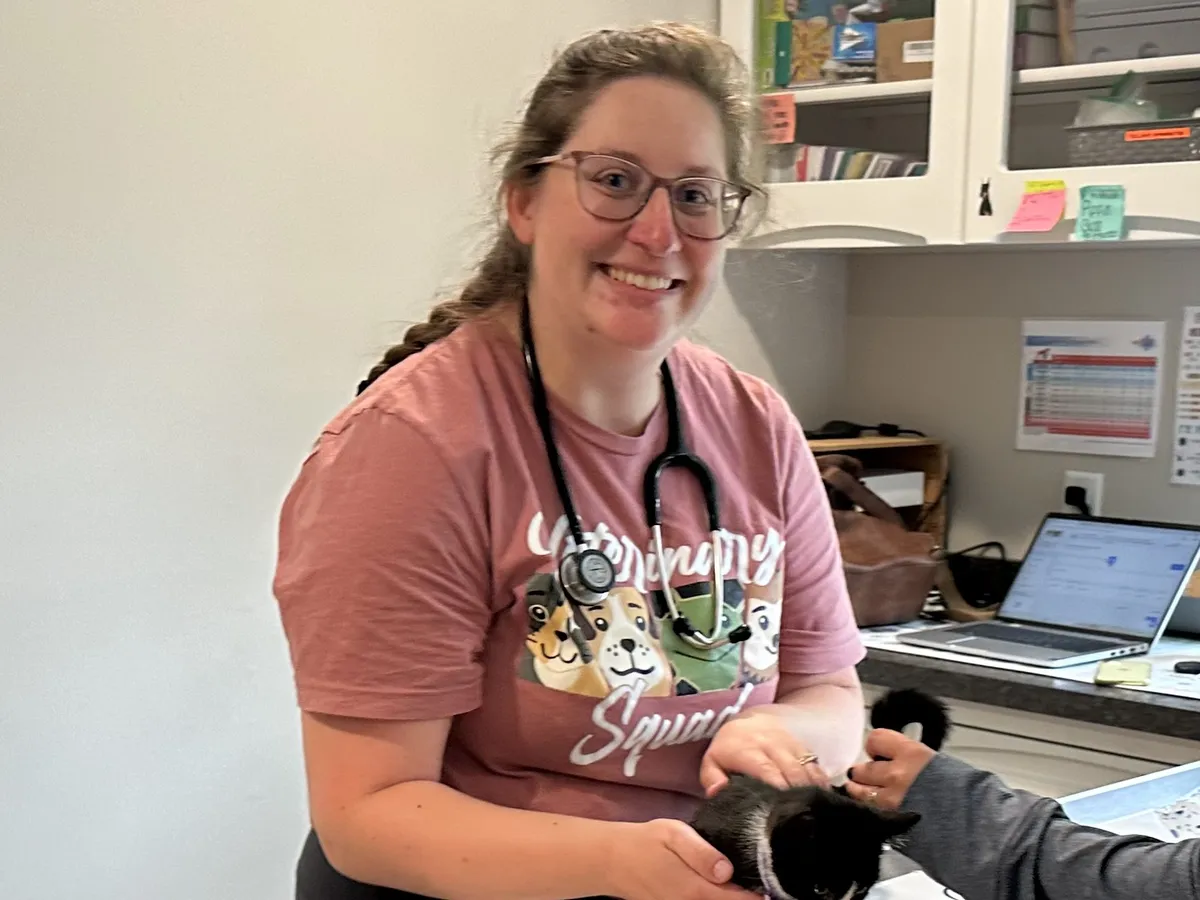
A new kitten brings a lot of joy and a lot of questions. Which shots does my kitten need? How many visits will it take? Does an indoor cat really need vaccines? And what will it all cost? This guide walks you through a typical kitten vaccine schedule, explains what each vaccine protects against, and shares the real prices at Happy Paws & Claws in Englewood, Ohio, so you can plan your kitten's first few months with no surprises.
Quick answer: Most kittens start the FVRCP vaccine at 6 to 8 weeks old and get a booster every 3 to 4 weeks until they are 16 to 20 weeks old. Rabies is given around 12 to 16 weeks, and feline leukemia (FeLV) is a two-dose series. At our clinic, a first kitten visit is $65, a booster visit is $32 and the FVRCP vaccine is $33.98.
Why Kittens Need a Series of Shots
Kittens get early protection from antibodies in their mother's milk. Those antibodies fade over the first few months, but while they are still around they can block a vaccine from working. There is no way to know exactly when they wear off for each kitten. That is why kittens get a series of boosters a few weeks apart instead of a single shot. The last booster is timed for the age when the mother's antibodies are almost certainly gone, so the vaccine can do its job.
It also means your kitten is not fully protected until the series is finished. Until then, keep your kitten away from unknown cats and do not let them outdoors.
A Typical Kitten Vaccine Schedule
Every kitten is different, and our veterinarian will tailor the plan to your kitten's age, health and lifestyle. As a general guide:
- 6 to 8 weeks: First FVRCP vaccine and a full nose-to-tail exam. We talk about deworming, flea prevention, litter box habits, diet and when to plan a spay or neuter.
- 9 to 12 weeks: FVRCP booster. FeLV testing and the first FeLV vaccine are often done around now.
- 12 to 16 weeks: FVRCP booster, rabies vaccine and the second FeLV vaccine (given 3 to 4 weeks after the first).
- 16 to 20 weeks: Final FVRCP booster in the kitten series.
- About 6 months to 1 year later: Boosters for FVRCP, rabies and FeLV. After that, many vaccines move to a longer schedule.
This follows the 2020 AAHA/AAFP Feline Vaccination Guidelines, which recommend starting FVRCP no earlier than 6 weeks of age and repeating it every 3 to 4 weeks until 16 to 20 weeks. If you adopt a kitten older than 16 weeks, or you do not know their history, we will build a catch-up plan. Older kittens and adult cats usually need two doses of FVRCP a few weeks apart to get started.
What Each Kitten Vaccine Protects Against
FVRCP is the main kitten vaccine. It is a combination shot that protects against three common and serious diseases:
- Feline viral rhinotracheitis (feline herpesvirus), which causes sneezing, runny eyes and nose, and eye ulcers
- Calicivirus, another cause of upper respiratory infection that can also cause painful mouth ulcers
- Panleukopenia (feline distemper), a very contagious virus that causes severe vomiting and diarrhea and is often fatal in kittens
Rabies is fatal and can spread to people. It is recommended for all cats, including indoor cats. Bats are the most common source of rabies in Ohio, and a bat that gets into the house can expose an indoor cat. Staying current also protects your cat if they ever bite someone or escape outdoors.
FeLV (feline leukemia virus) spreads between cats through close contact, such as grooming, sharing food bowls and fighting. Kittens are much more likely than adult cats to become sick if they are exposed. For that reason, national guidelines recommend the FeLV vaccine for all kittens up to 1 year old. After the first year, whether your cat keeps getting it depends on their lifestyle. Indoor-only cats who live alone may not need it. Cats who go outside or live with cats who do usually should.
Does an Indoor Kitten Really Need Vaccines?
Yes. Panleukopenia virus is tough and can survive in the environment for a long time. It can come into your home on shoes, clothing and hands. Upper respiratory viruses can spread through a screen door or during a stay at a boarding facility or groomer. Indoor cats also escape more often than people expect. Core vaccines are recommended for every cat, whatever their lifestyle. We tailor the lifestyle vaccines, like FeLV after the first year, to how your cat actually lives.
How Much Do Kitten Shots Cost?
These are the current prices at Happy Paws & Claws. We use Purevax vaccines for cats.
- First kitten visit (exam): $65
- Vaccine booster visit: $32
- FVRCP: $33.98
- Rabies: $49.32
- FVRCP and rabies all-in-one: $76.90
- FeLV: $47.69
- Virus testing for cats (FeLV, FIV and heartworm): $50.46
Your total depends on how old your kitten is at the first visit and which vaccines they need. A kitten who starts at 8 weeks will usually have more visits than one who starts at 12 weeks. When rabies and FVRCP are due at the same visit, the all-in-one vaccine means one less shot for your kitten. We are happy to give you an estimate for your kitten's whole series before you start. See all current prices on our pricing page.
Why We Test New Kittens for FeLV and FIV
FeLV and FIV are viruses that weaken a cat's immune system. A kitten can carry them without looking sick, especially if they came from a shelter, a barn, a litter found outdoors or a home with other cats. A quick blood test at our in-house laboratory tells you your kitten's status. It matters most if you already have other cats at home, so you can protect them before the kitten joins the household.
Are Vaccines Safe for Kittens?
Vaccines are one of the safest and most important things you can do for your kitten. Most kittens act completely normal afterward. Some are a little sleepy, have a mild fever or feel sore where the shot was given for a day or two.
Call us right away if your kitten has facial swelling, hives, vomiting, diarrhea or trouble breathing after a vaccine. These reactions are uncommon, but they need prompt care. Also let us know if you notice a lump at the injection site that lasts more than a few weeks. If your kitten has reacted before, tell us so we can plan ahead.
More Than Shots: What Else Happens at Kitten Visits
Each kitten visit is also a check-up. We use those visits to:
- Watch your kitten's growth and weight
- Check for worms, fleas and ear mites, and plan parasite prevention
- Talk about food and portion sizes, with help from our pet nutrition team
- Answer questions about scratching, biting, play and litter box training
- Plan a microchip and the right time to spay or neuter. Our cat spay and neuter cost guide explains timing and prices.
Tips for Your Kitten's Vaccine Visits
- Bring any records from the shelter, rescue or breeder
- Bring a fresh stool sample if you can
- Use a hard-sided carrier and cover it with a light towel to help your kitten feel safe
- Leave the carrier out at home between visits so it does not only mean "vet trip"
- Write down your questions ahead of time
Schedule Your Kitten's First Visit
Happy Paws & Claws is a full-service veterinary clinic in Englewood, Ohio, caring for cats and kittens from across the Dayton area, including Clayton, Union, Vandalia and Huber Heights. We will map out your kitten's vaccine series, answer your questions and make the visit as calm as we can. Learn more about our pet vaccinations, call us at 937-595-0660 or request an appointment online.
Frequently asked questions
Related services
Have a question about your pet? Call 937-595-0660 or request an appointment